
Your Trusted Experts for Roofing, Siding, Windows, and More!
Bloomington Roof Styles: Low Slope Roofing
Sundown Exteriors installs and replaces low slope roofing for homeowners in Bloomington and across Central Illinois.
Schedule An EstimateRoof Styles
What Is Low Slope Roofing?
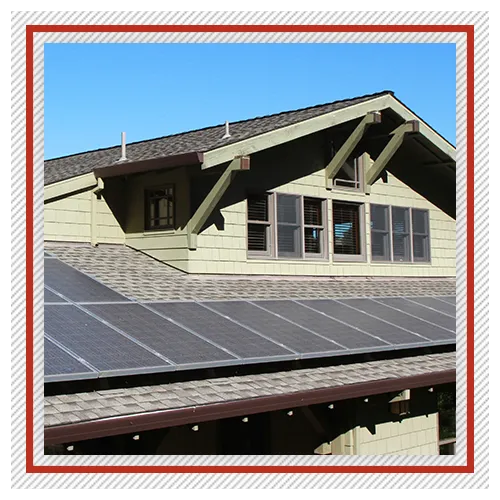
Low slope roofing is generally defined as a roof with a slope of 3:12 or less (3 inches of rise per 12 inches of run). Low slope roofing includes water impermeable or weatherproof types of roofing membranes installed on slopes of less than or equal to 3:12 pitch.
There are two common types of materials used on low slope roofs:- Ethylene Propylene Diene Monomer (EPDM)
- Thermoplastic Polyolefin (TPO)
Each type of low slope roofing material offers different benefits to address different issues. If you’re interested in how either of these materials will work for your low slope roofing installation or replacement, contact our team at Sundown Exteriors.
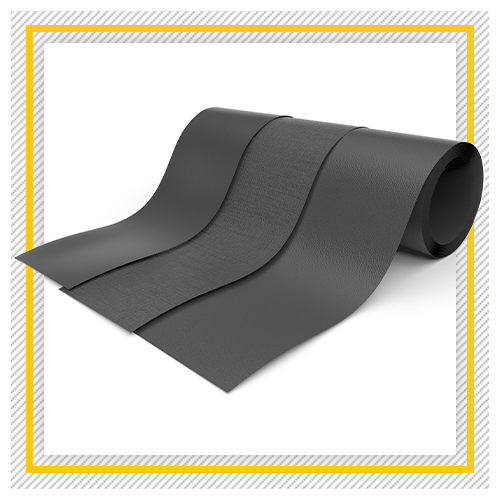
Synthetic Rubber · Black or White
Ethylene Propylene Diene Monomer (EPDM)
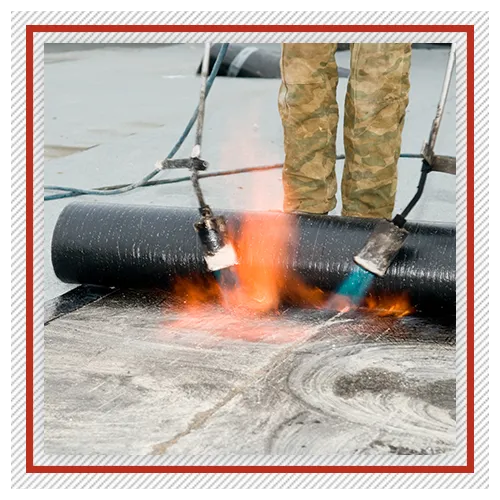
EPDM is a synthetic rubber most commonly used in a single-ply roofing system because it is readily available and simple to apply. Seaming and detailing have evolved over the years and is fast, simple, and reliable. There are many types of EPDM membranes available, including factory-applied tape, resulting in a faster installation.
EPDM is available in both black and white. It is available between widths of 7.5 feet to 50 feet. There are also various thicknesses available.
Advantages of EPDM
When considering which material to use for a low slope roofing installation, it’s important to compare and contrast the advantages of EPDM and TPO. Choose EPDM if you’re looking for a material that is:
- More affordable to install and repair
- Long-lasting, typically 15 to 25 years or more with good maintenance
- Lighter weight
- Fast and easy to install
- Resistant to weather damage like hail and heat
- More energy-efficient
- Able to withstand extreme temperatures
- Fire-resistant
- Resistant to high winds
Maintaining EPDM
With the incredible number of benefits that EPDM offers, it’s a fairly easy roofing material to manage. Like all roofs though, regular roof inspections are important in order to maintain the integrity of your low slope roofing system.
When you choose EPDM, we don’t recommend you try installing it yourself. EPDM needs to be professionally installed in order for it to be fully protective.
If you’re installing a low slope roof on an area that has regular foot traffic or is surrounded by trees, opt for a thicker membrane. EPDM can be punctured easily, so a thicker membrane will better protect your roof from debris.
EPDM is a very plain-looking roofing material, so we recommend having it installed with a ballast, such as rocks, to give it more texture. A ballast is something that holds down the EPDM, so rocks or pavers can add appeal to an otherwise rubber surface.
When working on or around a roof that is installed with EPDM, avoid using petroleum-based products. EPDM has a poor resistance to natural gas and oil, and can break down quickly if it comes into contact with it.
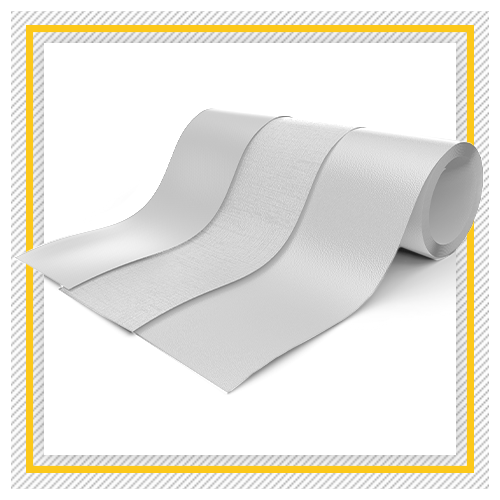
Single-Ply · White, Gray, or Black
Thermoplastic Polyolefin (TPO)
This single-ply roofing material can be fully adhered, mechanically fastened, or ballasted. TPO does not degrade under UV radiation, ozone exposure, or after contact with chemicals. It is created using different types of rubber, and is available in white, gray, and black.
Similar to EPDM, TPO is available in a variety of widths and thicknesses to address your low slope roofing needs.
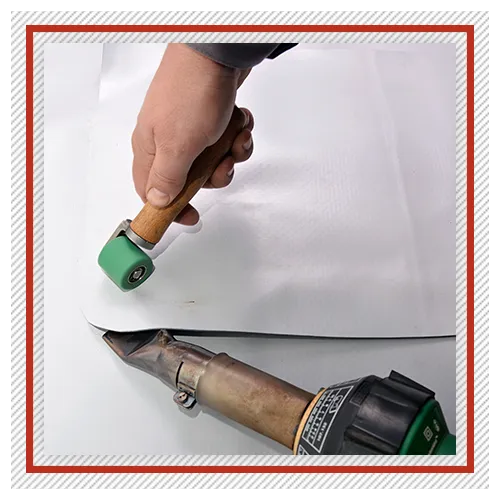
Benefits of TPO
TPO and EPDM are similar materials, so they offer similar benefits. Choose TPO if you want a low slope roofing material that is:
- More affordable than traditional roofing materials
- Easy and fast to install
- Resistant to mold, mildew, and other algae growth
- Long-lasting for 20–30 years
- Energy-efficient
- Environmentally-friendly
Taking Care of TPO Roofing Material
Before choosing TPO as the material for your low slope roofing installation or replacement, it’s important to consider how often it will need to be maintained, and what to expect from the material for the duration of its lifespan.
TPO offers less resistance to extreme temperatures, meaning it can crack easily as the material expands and contracts with the heat and cold. These cracks can leave your roof vulnerable to moisture damage, so be sure to have it inspected and repaired regularly.
MuleHide Warranties
Low Slope Roof Warranty Coverage
The EPDM and TPO membranes we install on low slope roofs come from MuleHide, which offers two material warranties for single-family homes. Both cover leaks caused by manufacturing defects or weathering of the membrane, and how long the coverage lasts depends on the warranty and the membrane thickness.
Standard Coverage
Residential Limited Material Warranty
Membranes
EPDM, TPO and PVC
Warranty Length (EPDM and TPO)
45 mil: 15 years
60 mil: 20 years
What It Covers
Leaks from manufacturing defects or weathering of the membrane
Transfers
Once, by the original owner, through MuleHide's transfer procedure
Registration
Within 30 days of installation, with proof of purchase
Longest Coverage
Limited Lifetime Membrane Warranty
Membranes
EPDM, TPO and PVC
Warranty Length
60 mil or thicker: lifetime of the original owner
Under 60 mil: 15 years
What It Covers
Leaks from manufacturing defects or weathering of the membrane
Transfers
Not transferable
Registration
Within 30 days of installation, with material invoices
Good to Know About Your Low Slope Roof Warranty
What “Lifetime” Means
For membranes 60 mil or thicker, lifetime means for as long as the original owner owns the home and is alive. If the owner isn't an individual, coverage is limited to 20 years.
Materials, Not Installation
MuleHide's warranties cover the membrane only, not workmanship or other roofing materials. Installation issues fall under your installer's workmanship warranty, so ask us about ours.
Storm Damage Isn't Covered
Wind, hail and other natural events are excluded, so storm damage is usually a homeowners insurance matter. See our insurance claims guide.
Keep Up With Maintenance
MuleHide asks owners to keep drains clear, keep petroleum products off the membrane and have the roof inspected each spring and fall. Skipping reasonable upkeep can affect your coverage.
Warranty information is summarized from MuleHide's published sample warranties and is correct at the time of publishing (November 2026). Terms can change, so please confirm current coverage with MuleHide or with Sundown Exteriors. See the actual warranty for complete details, limitations and requirements.
Our Work
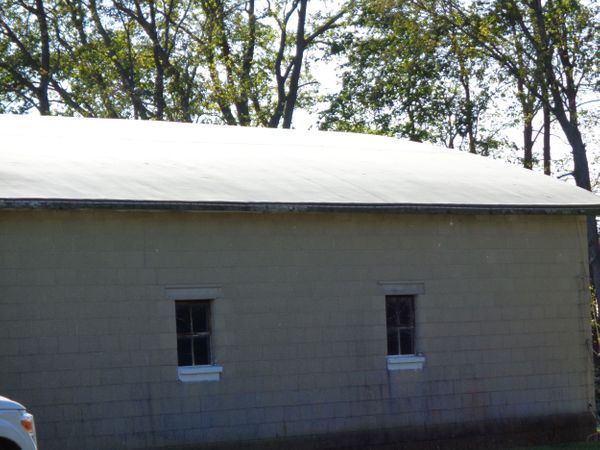
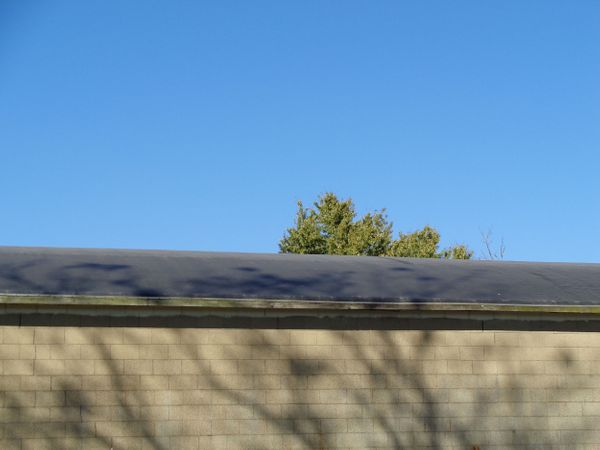
Recent Low Slope Roofing Projects
Find Out Which Low Slope Roofing Material Is Right for You!
Contact Sundown Exteriors for a QuoteCustomer Reviews
What Our Roofing Customers Say
Inspections · Repairs · Replacements
Not sure whether your low slope roof needs a repair or a full replacement?