
Roofing · Siding · Windows · Gutters
What Is the Difference Between Inspections, Repairs, and Replacements?
Inspections
Repairs
Replacements

Step 1
Inspections
For storm- or insurance-related inspections, the goal is to determine whether there is evidence of damage consistent with a recent event such as hail, wind, or falling debris and to document what is found.

Roof Inspection
Examines shingles, flashing, vents, pipe boots, valleys, ridge caps, penetrations, and other roofing components for hail impacts, wind damage, missing or creased shingles, leaks, deterioration, installation problems, and other defects.

Siding Inspection
Examines siding on all elevations for cracks, holes, dents, chips, loose or missing panels, wind damage, hail impacts, water intrusion, and other visible problems.
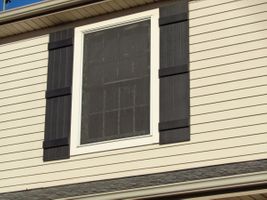
Window Inspection
Examines windows and related exterior components for broken or cracked glass, damaged screens, frames, trim, wraps, seals, and signs of hail, wind, or impact damage.
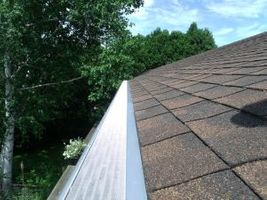
Gutter Inspection
Examines gutters and downspouts for dents, impact marks, loose or damaged sections, drainage problems, separation, and other signs of damage.

Documenting the Findings
What Happens After the Inspection?
The inspector should document the findings with photographs and explain what was found to the property owner. If little or no significant damage is found, an insurance claim may not be warranted. If substantial damage consistent with a potentially covered event is identified, the homeowner can use that information to decide whether to contact their insurance company.
An inspection does not determine insurance coverage. A contractor can identify and document physical damage, but the insurance company determines whether that damage is covered under the homeowner’s policy.
Step 2
Repairs
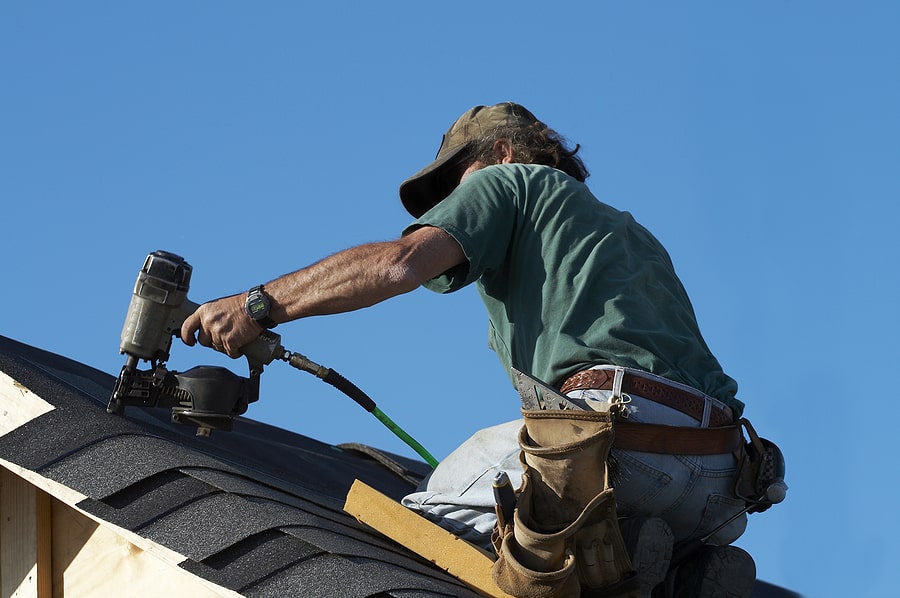
A repair for roofing, siding, windows, or gutters is work performed to correct a specific damaged, failing, or improperly functioning area without replacing the entire system. The purpose of a repair is to restore the affected area so it functions properly and helps protect the home from further damage.
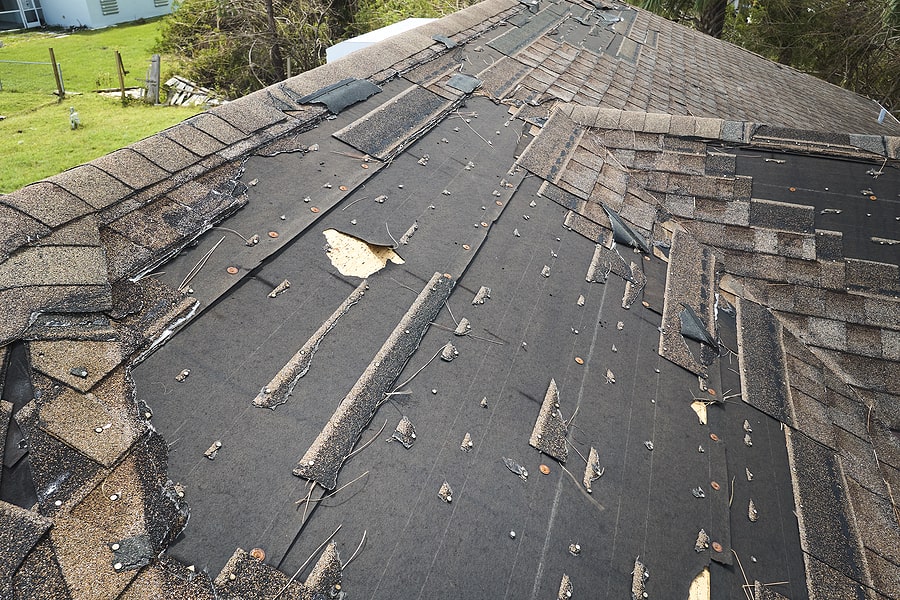
Roof Repair
Fixing a specific area of the roofing system, such as replacing missing or damaged shingles, repairing flashing, pipe boots, vents, or other components, or addressing a localized leak.
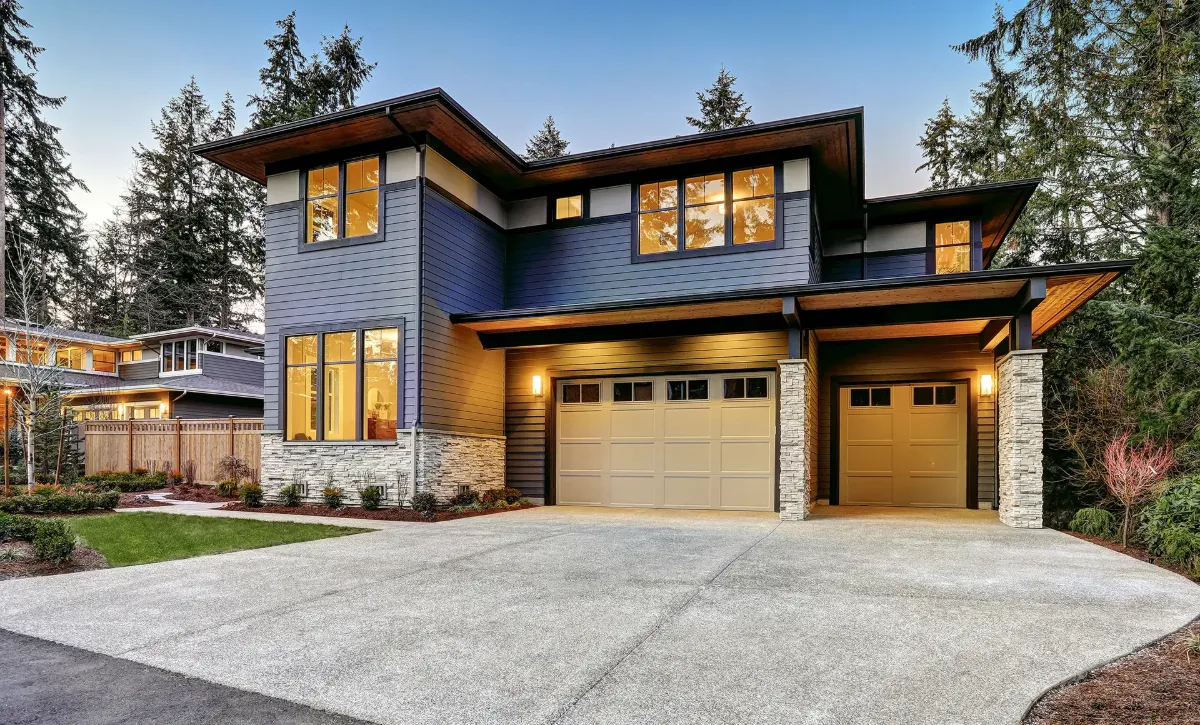
Siding Repair
Removing and replacing damaged siding panels or sections, securing loose siding, repairing trim or accessories, or correcting an area that is allowing water or weather into the home.

Window Repair
Correcting a specific problem with a window, such as damaged glass, screens, hardware, seals, trim, or exterior window wrap, when the entire window does not need to be replaced.

Gutter Repair
Fixing damaged or improperly functioning gutters or downspouts by resecuring loose sections, correcting leaks or drainage issues, replacing damaged sections, or repairing connections.
Step 3
Repair vs. Replacement
A repair addresses a specific problem while leaving the majority of the existing system in place. A replacement involves removing and replacing an entire system or a substantial portion of it.
Fix a Specific Area
Repair
A repair fixes a specific damaged or problem area to restore proper function without replacing the entire roof, siding, window, or gutter system.
A repair may not always be appropriate. The age and overall condition of the system, extent of damage, availability of matching materials, previous repairs, installation quality, and ability to perform a lasting repair should all be considered before recommending repair versus replacement.
Replace the Whole System
Full Replacements
A full replacement estimate is needed when the condition or extent of damage makes repairing individual areas impractical, ineffective, or unlikely to provide a lasting solution. The estimate identifies the scope and cost required to replace the affected system properly.
A contractor will provide a detailed proposal for removing and replacing an entire exterior system, rather than repairing only a specific damaged area. A full replacement estimate is typically needed when the system has widespread damage, significant age or deterioration, repeated failures, or cannot reasonably be restored with a proper repair.
When a Full Replacement Estimate Is Needed

Roof Replacement Estimate
Needed when damage or deterioration affects a large portion of the roof, the roofing system is near or beyond its useful life, there are widespread leaks or failures, or repairs would not provide a reasonable long-term solution.
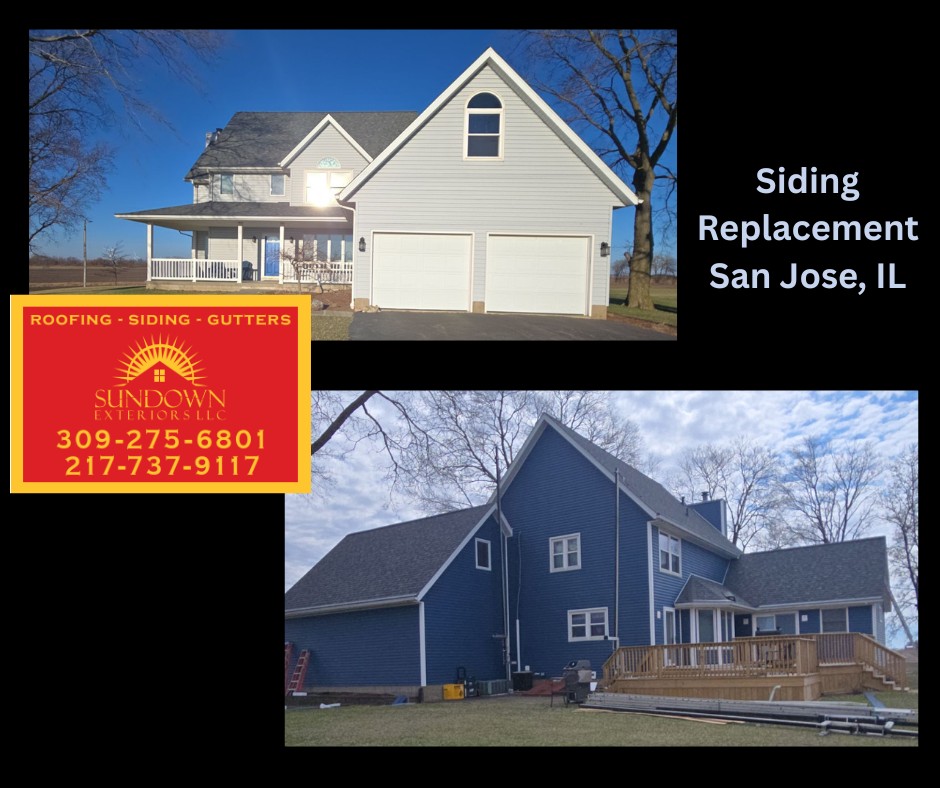
Siding Replacement Estimate
Needed when damage is widespread across one or more elevations, the siding has significant deterioration, matching replacement material is unavailable, or localized repairs cannot reasonably restore the siding system.
Window Replacement Estimate
Needed when windows have significant damage or deterioration, failed components, water intrusion, broken or damaged frames, or other conditions that make repair impractical or ineffective.
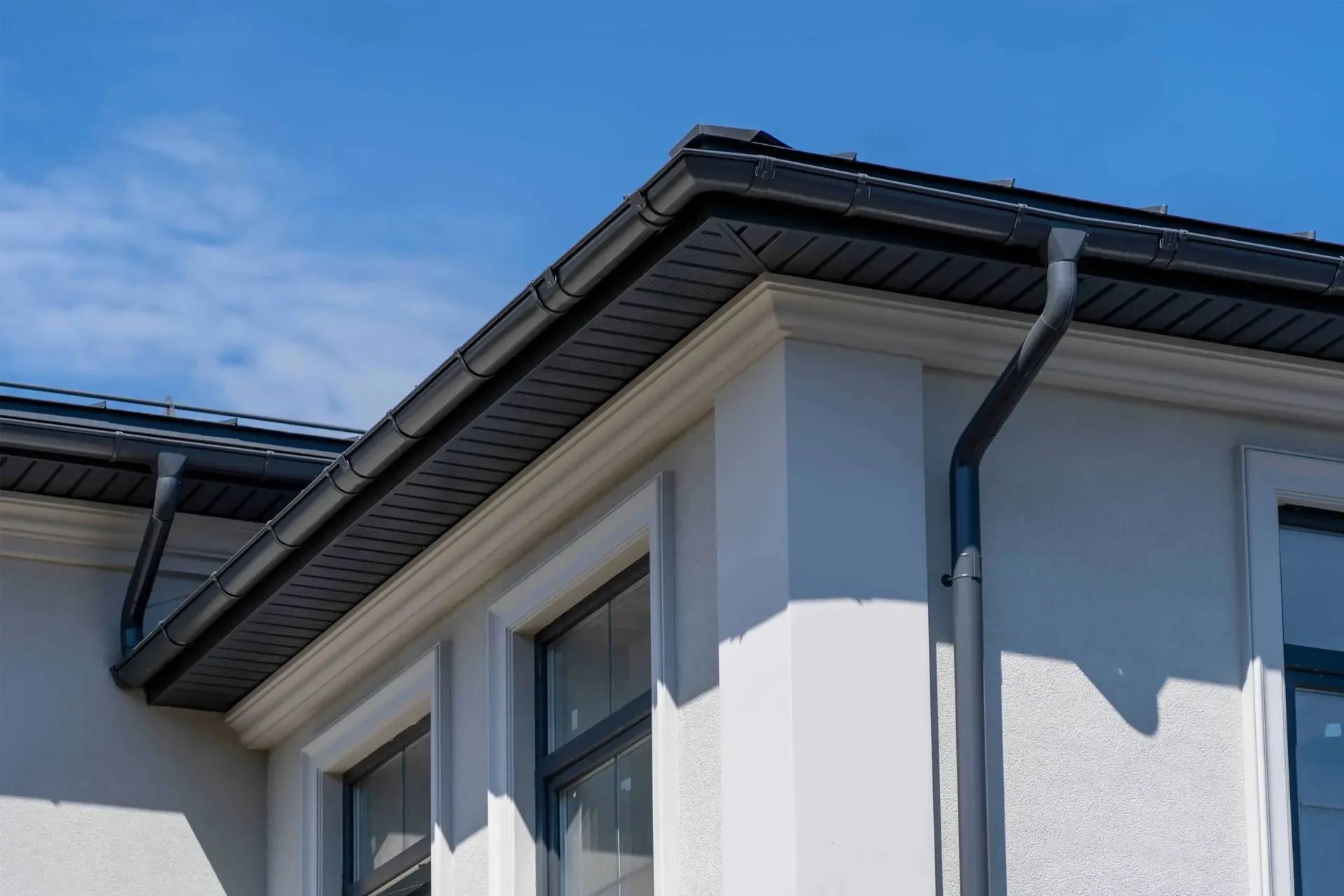
Gutter Replacement Estimate
Needed when gutters have widespread damage, deterioration, improper drainage, significant separation or deformation, or enough damaged sections that replacement is more practical than continued repairs.